Little House, Big Question

Loyal Blog Readers-  Thanks for your patience!  We’ve had to exercise some patience ourselves as our fears of a winter slow-down have come true.  But nevertheless, we have made SOME progress.  When we last left off, we had gotten the house exterior walls all framed up, and were hoping to plow forward with framing the roof with yellow pine.  Unfortunately, the weather these last couple of months have been difficult for harvesting the timber we need for the roof.  We are currently exploring our options on that front, so, in other news…

In taking apart the last bits of the little house for the framing, we made some interesting discoveries.  If you recall the original layout of the little house, there were two rooms on the first floor, and two rooms on the second.  In the rendering below, the original structure is the two rooms to the north.  Our new kitchen will be on the left, and the living room with the original stairs in the corner is the room to the right.
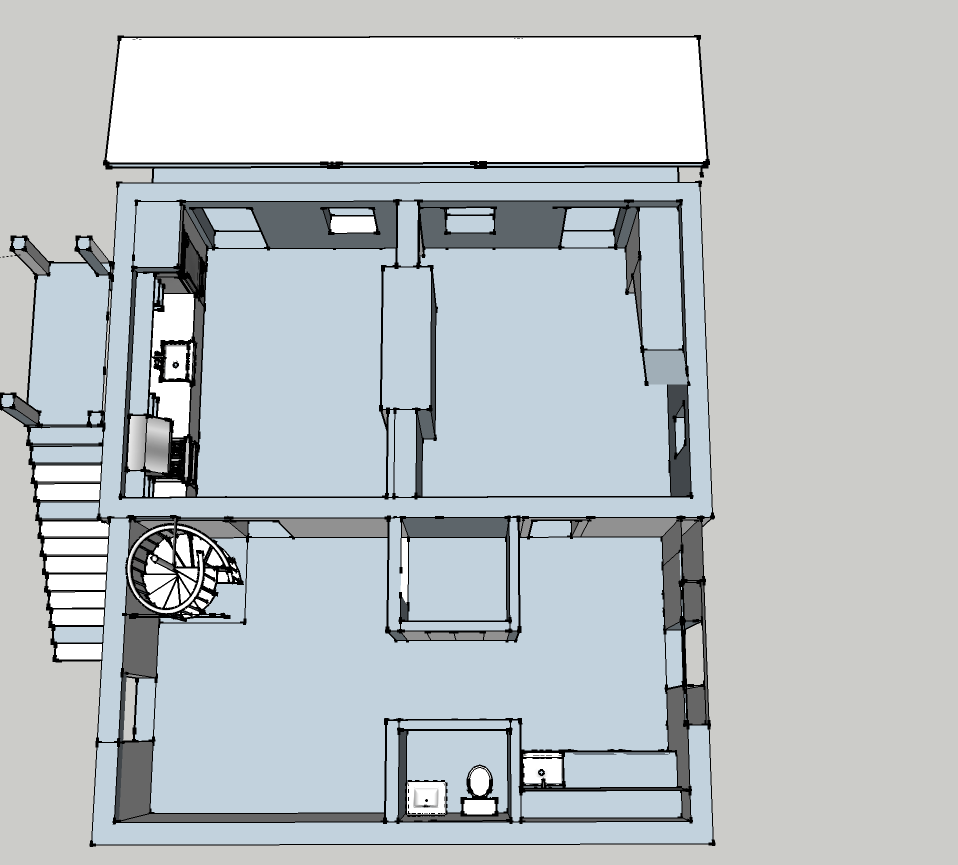
Downstairs Floor Plan

Those two rooms connect via a doorway to the north of the fireplace in the rending above, shown below:

IMG_0269

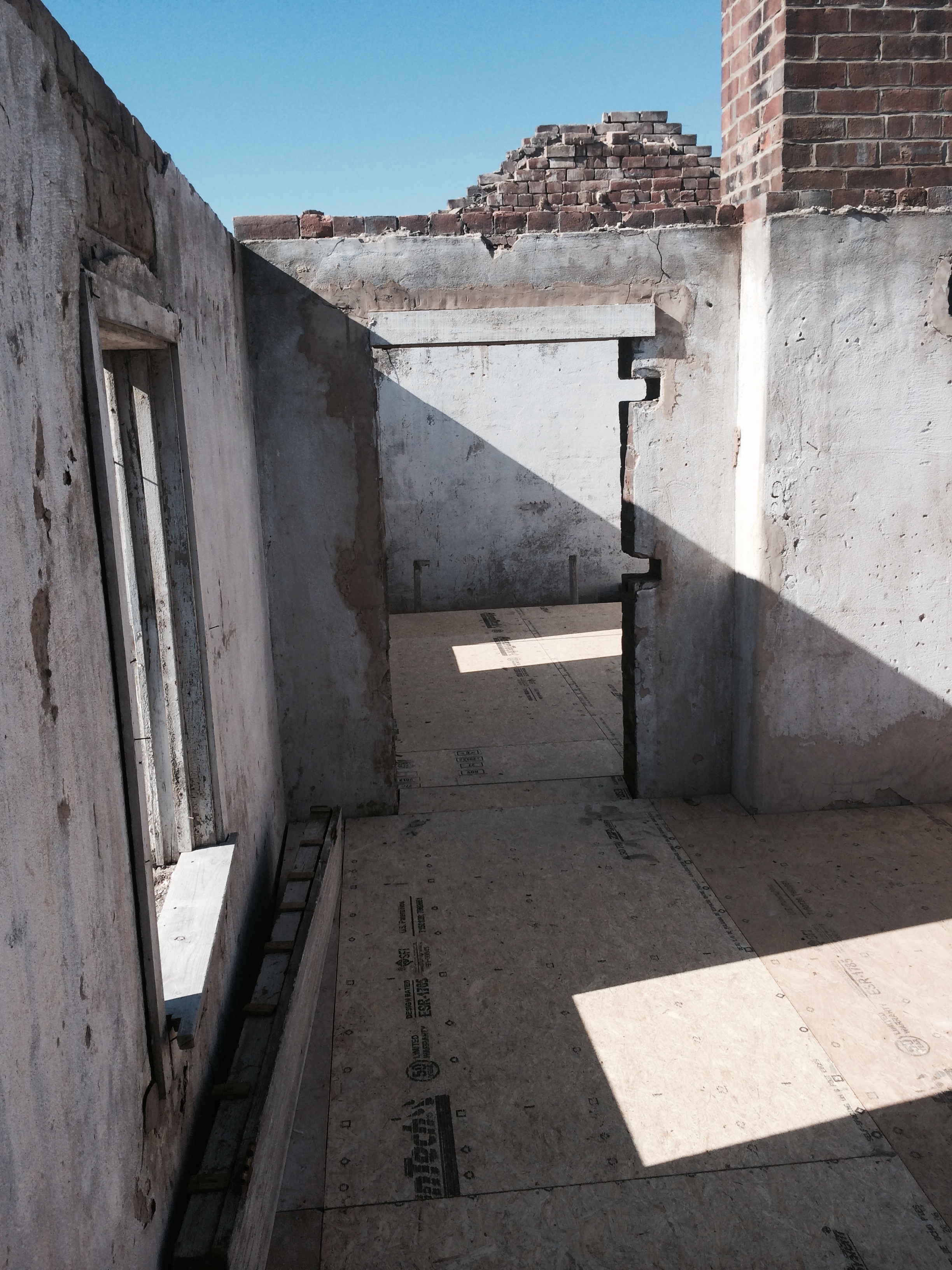
We have always assumed that this doorway was original, connecting the two rooms of the downstairs.  However, when we got to demoing, we began seeing ghosts!  Architectural ghosts, that is.  We actually found our first clues from the other doorways in the structure.  By examining the brickwork around a door frame or window, we can clearly see where a door was in the original design of the building.  The bricks that form the door openings are all smooth, and there are distinct notch outs where a brick is missing:
IMG_0448

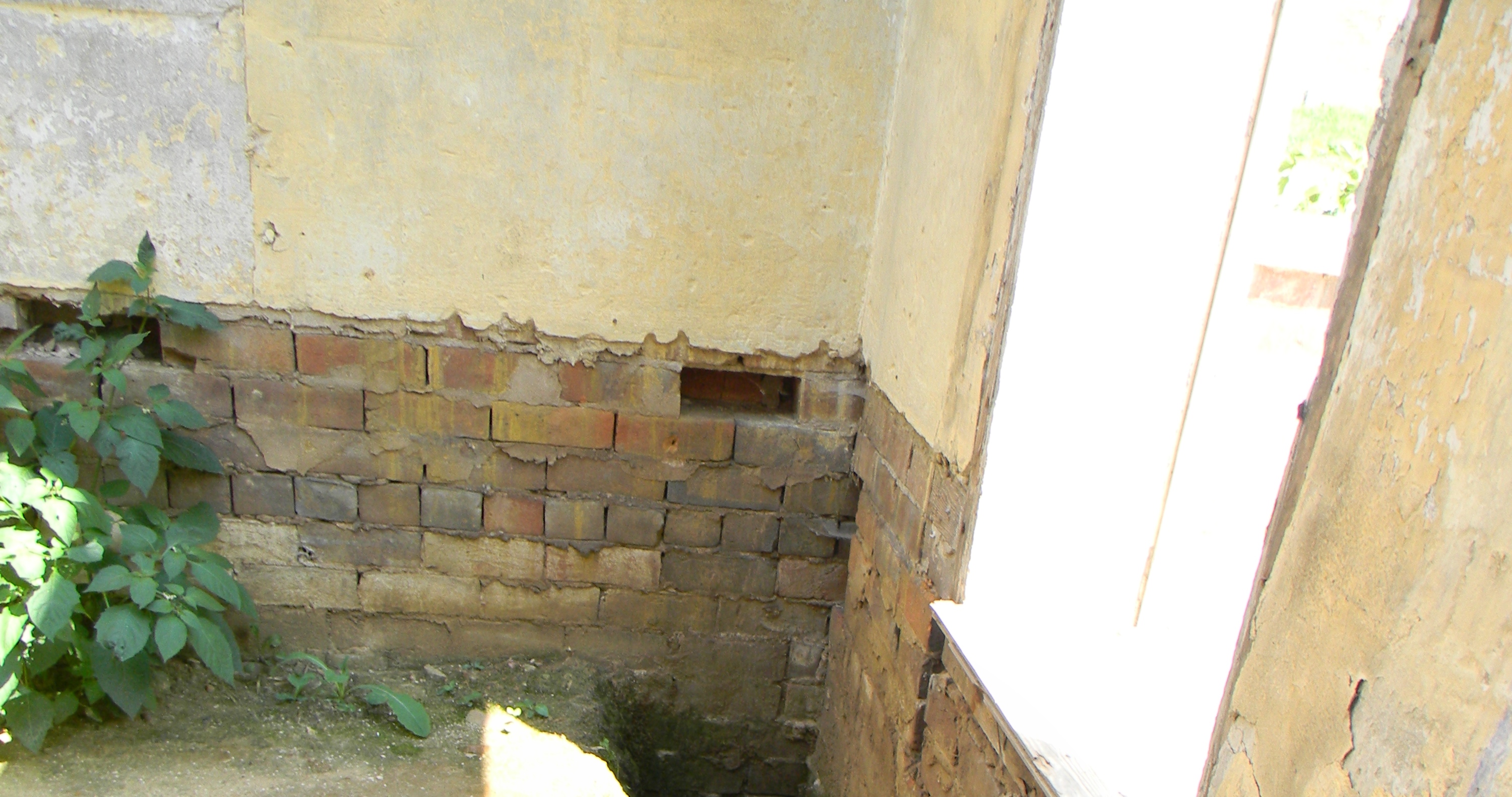
During demo, we found wooden, brick-shaped blocks wedged into those notches, and then the frames of the doors were nailed into those wooden blocks; nails into brick and mortar tend to fail quickly.  This wood block system was also used on the downstairs baseboard.  You can see the perfectly missing brick voids below in the course just below where the plaster ends (the wooden blocks came out with the baseboard when we removed them for storage and restoration).
DSCN0645

In moving to the other doors and windows in the house, it became clear that the two doors that connected the original brick structure to its 1940s addition (shown in an older photo, below):

IMG_0004

And here is a shot of one of the connecting doorways, sans door frame and 1940s addition:
IMG_0062

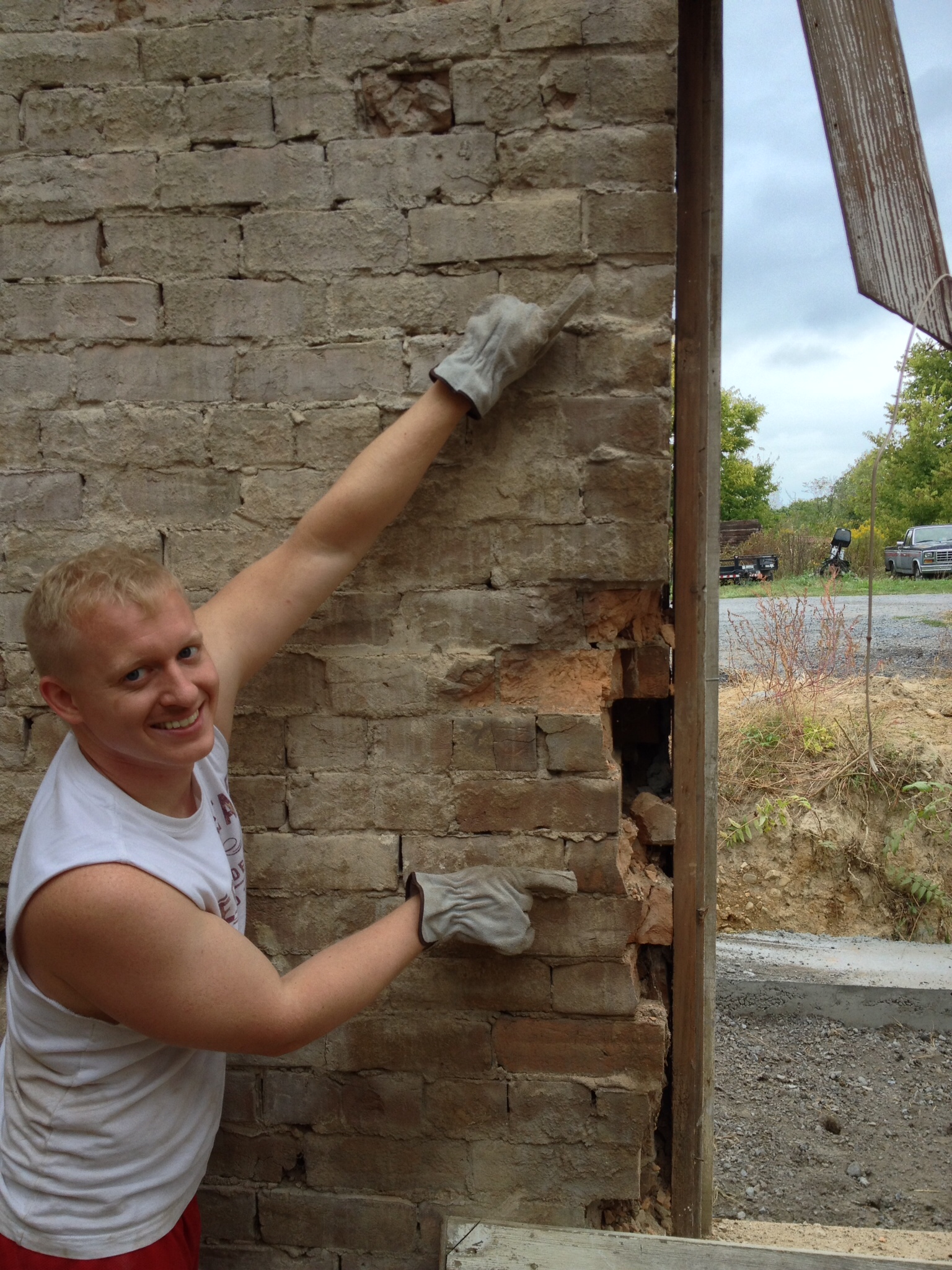
And here is where the distinction between original and added-later becomes clear:
IMG_0063

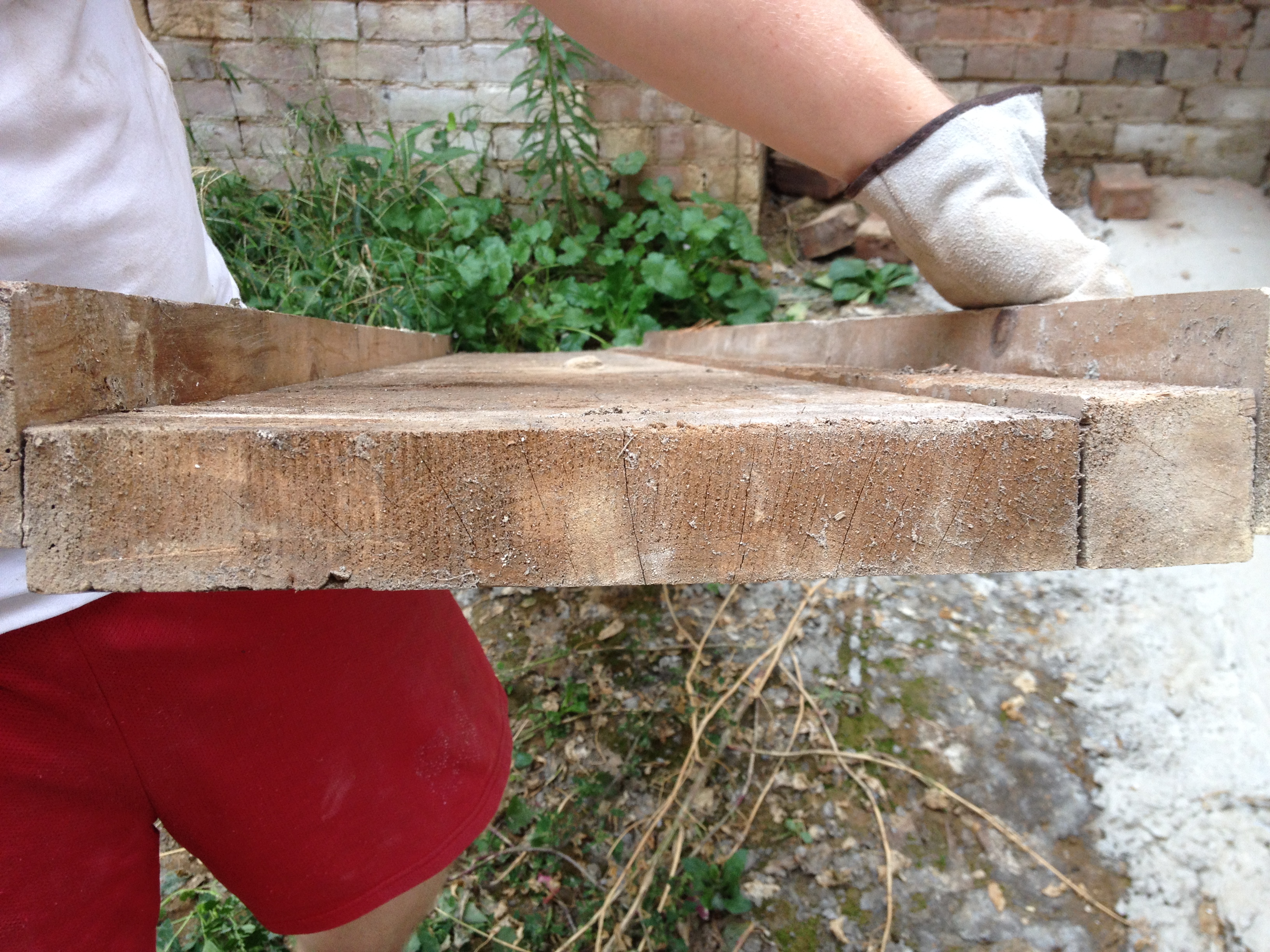
As noted above, the bricks along the top portion of this doorframe are smooth-edged, indicating that they were part of the plan from the start.  The lower half of the doorway has bricks that were clearly broken out.  Thus, it is our theory that there were originally windows on the back walls of the downstairs rooms, and that when the 1940s addition was constructed, those windows were expanded into doors!  Also, the wood used on those later door frames is about 1/2 inch thick, whereas the wood on the original doors is at least 1 inch thick (shown below):
IMG_0257

Now, returning to the door connecting the two original downstairs rooms, the edges of those brick are ALL roughly hacked.

IMG_0285

Thus, our theory is that this interior connecting door was added later.  This theory is also supported by the fact that the little house has two original front doors, which would provide independent access to each downstairs room:

IMG_0122

Also interesting: during our demo, we discovered that the stairs are physically built right into the baseboard of the downstairs living room, and their upstairs railing and pine paneling attach directly to the upstairs floor joists, above where the lath and plaster ceiling originally hung, having never been painted!

DSCN0649

Thus, we have a high degree of confidence that the stairs are also original to the structure.  So, here is the big mystery, what was the little house originally used for?!?

Our current theory is that it was a combination of a laundry/kitchen and sleeping/living quarters.  This seems to fit with the general description of laundries as being close to the main house.  This need for proximity might also explain why this structure, partially used for housing workers, is made out of brick rather than timber.  It seems that the builders of Edge Hill, having already gone to the luxury of building a brick smoke house, may have similarly spared no expense on this structure that needed to be close to the main house.

What do you think?

In closing, I want to thank all of our readers who have followed our progress!  There is so much more to come in 2014 and beyond, and in times when it seems that the going is slow, I look at these few pictures:

IMG_4407

Chad & Rachel DA-108

IMG_0634

IMG_0637

We have already come so far!
In Our Wildest Dreams

We mentioned in our last post that we had been lucky enough to meet one of Edge Hill’s former residents – talk about an unbelievable opportunity!  A few posts ago, our blog received comments from Cindy and Johnny, whose mother, Mary, had grown up at Edge Hill.  Fate certainly wanted us to meet Mary.  It turns out that Mary now lives a few hours east of Quicksburg, and she had not been to the property in a number of years.  When the Powerball Lotto hit $587 million, Mary’s kids sweetly offered to buy back the old farm in the event that their ticket was the big winner.  Not long after, Mary awoke in the night having dreamt of her beloved Edge Hill.  Mary immediately marched to her laptop (which had only been used a handful of times), logged onto the internet (which also had only been used a handful of times), and Googled “Edge Hill Quicksburg.”  Low and behold, our blog popped up as a search result.  Despite the late hour, Mary immediately contacted her children.  When Chad and I received their comments, we could hardly believe our eyes.  We had often thought that one day we would try to track down the descendants of the home’s prior owners, but we had even speculated that our letters would likely go unreturned.  So, to have the opportunity to speak with someone who had not only lived in the house but also whose memory is impeccable is, well, beyond our wildest dreams.

We were able to organize a meeting with Mary and her family within a few weeks of receiving their comments; Mary graciously invited us to her home and we had the pleasure of meeting her children, their spouses, and her grandchildren.  Edge Hill has a special place in their memories and their family history, and Chad and I were thrilled to hear hours of amazing stories about the house.  Along with the wonderful memories, Mary was kind enough to show us dozens of photos, some of which we captured with our iPhones.  A huge thanks to Mary for sharing the images, and apologies for shaky hands and poor cropping!

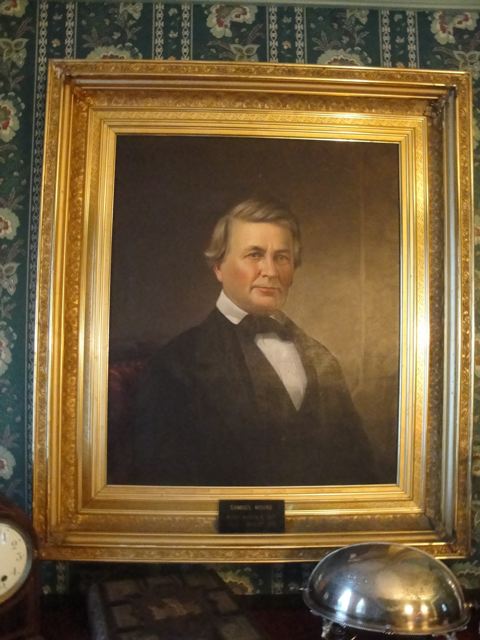
Mary’s father, Holmes Fowle, was born at Edge Hill in the early 1900s.  His mother was a Moore (we’ve mentioned Samuel Moore as an owner in a prior post), so Edge Hill was truly the family’s homeplace.  This is a portrait of Samuel Moore that Mary’s family still has – what a handsome devil!

DSC00356

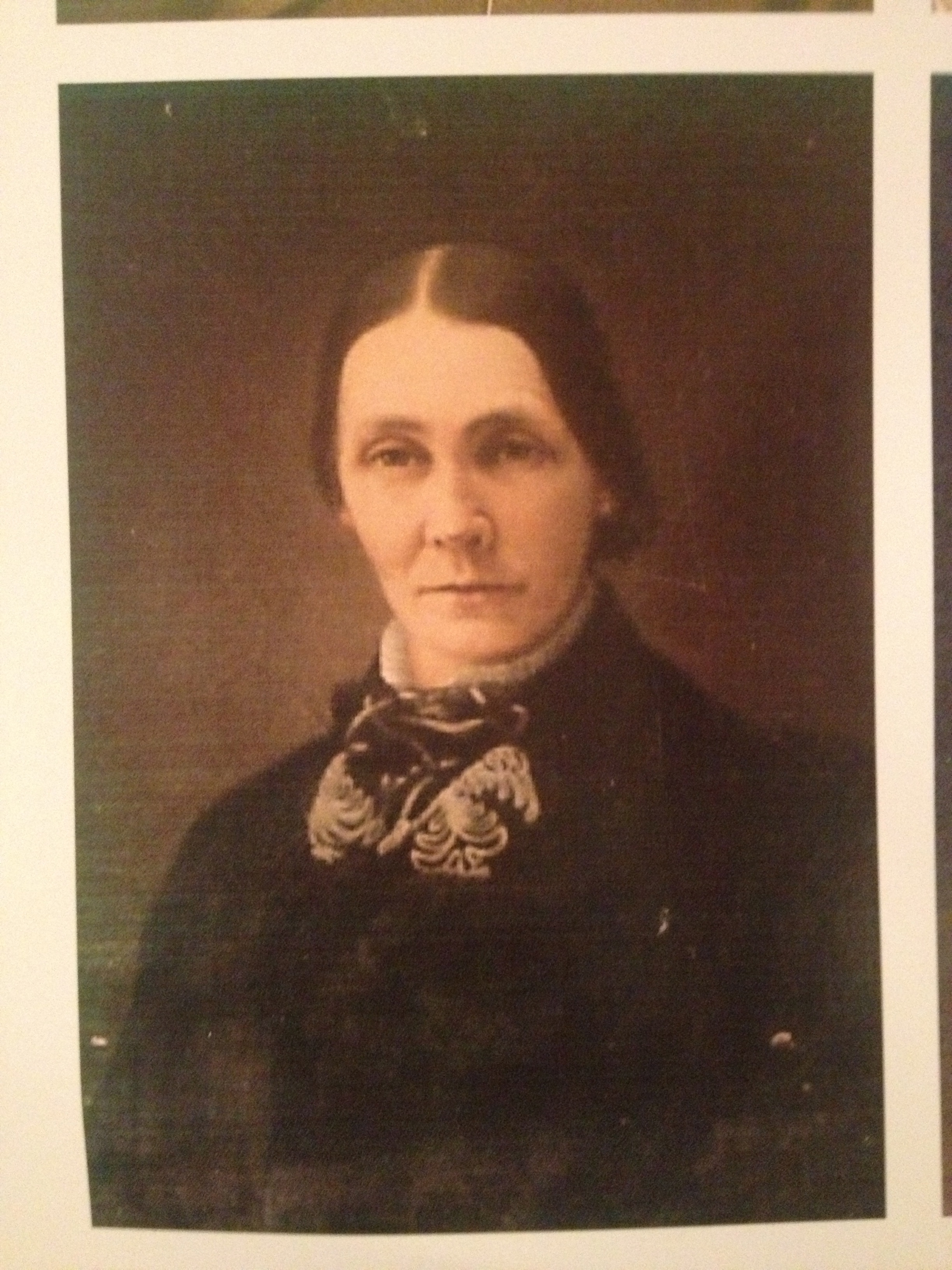
And his wife, Amanda, whose portrait has spooked little kids for generations (although apparently she was a very kind woman):

IMG_1412

 Here is Little Holmes (we heard he was not too fond of this picture because of the “dress”):

IMG_1274

And here is the grown and dashing Holmes, in front of the five-stall horse barn that used to be on the property:

IMG_0011

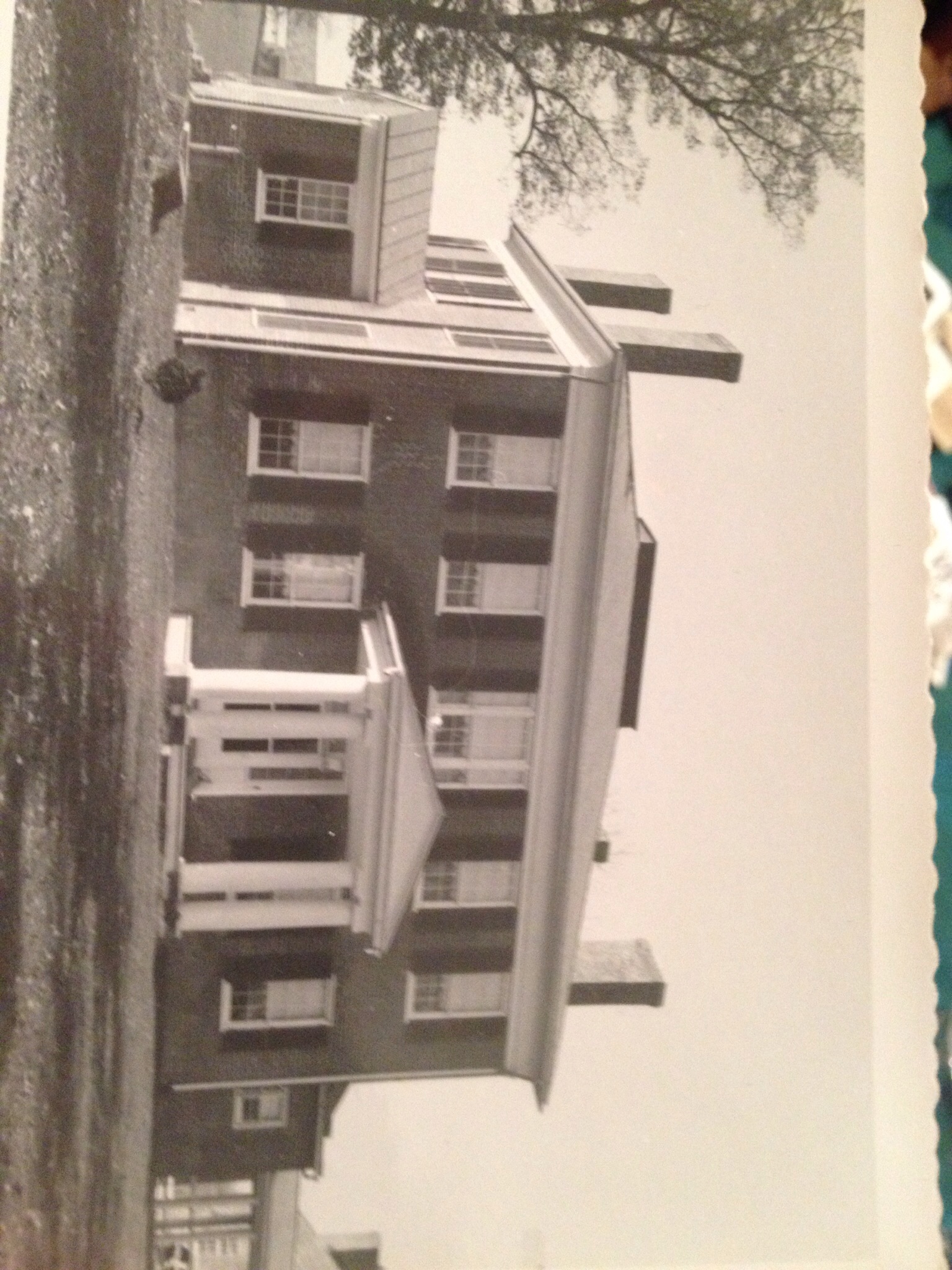
And here is Edge Hill under the Fowles’ care:

IMG_0007

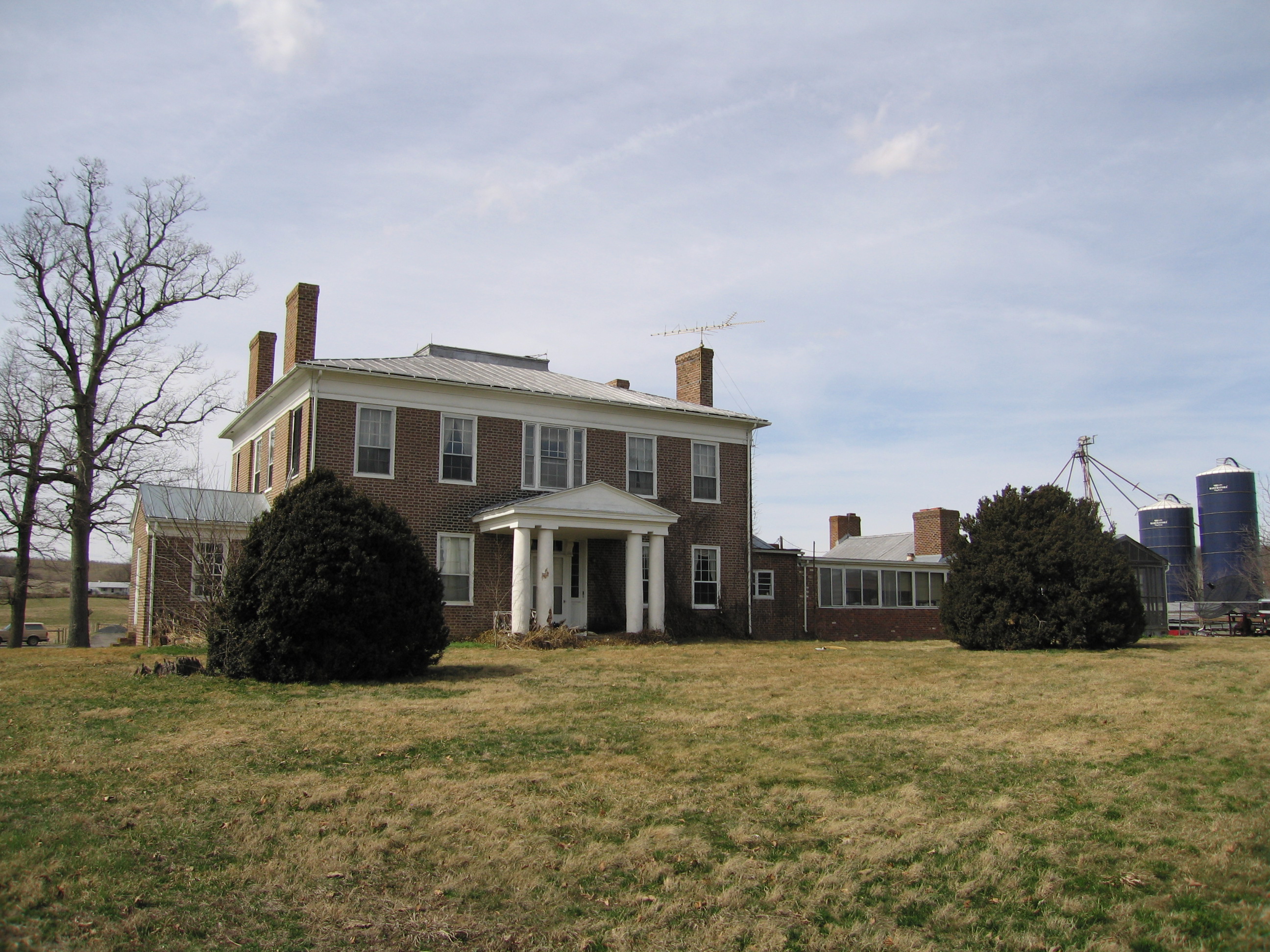
The little boxwood in the lower lefthand corner, along with its counterpart, is now approximately 12 feet tall!

IMG_4412

The old photo of the house also has two other things of note when compared to the more recent photo, above.

First, the old shot shows the beautiful shutters that adorned the house; although they are not on the house now, they were all diligently removed and stored to await a little TLC to the hardware.  Chad and I just took inventory this weekend and are hoping to restore them to their original glory.

Second, you can see that the current addition (in the immediately preceding picture, the addition stretches off the right side of the house) was predated by an open-air colonnade that connected the main house to to free-standing summer kitchen.  The 1970s addition sits on the same footprint and currently houses the trucking company’s office.

Here are a few other photos and items that Mary graciously shared with us.  It is is so fun to get a feel for what the house has been like through the years!

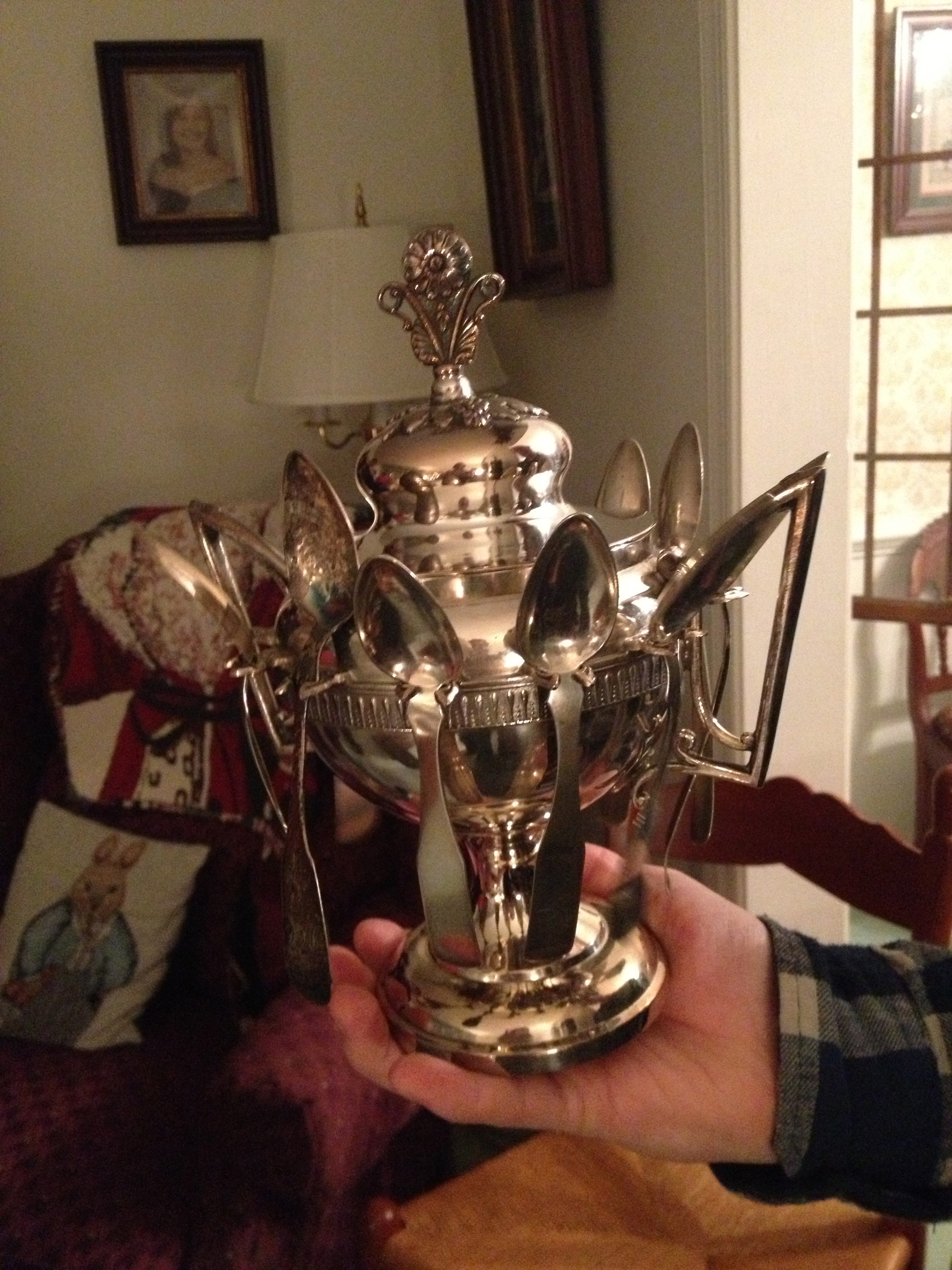
A beautiful silver service

IMG_1273

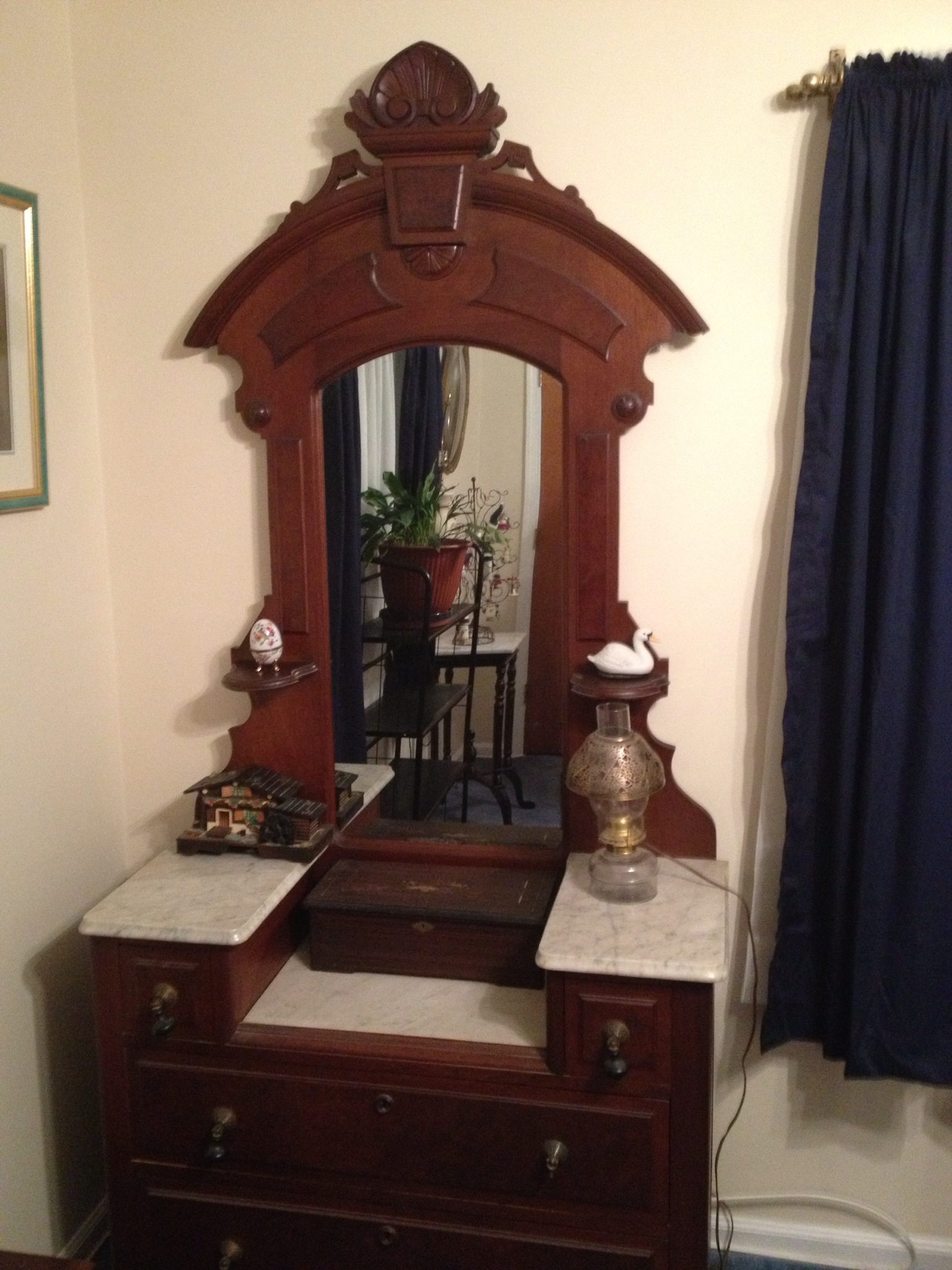
A vanity that was originally in the bedroom we will make the master; Mary said her father purchased the bedroom suite from a hotel in Washington, D.C.

IMG_1400

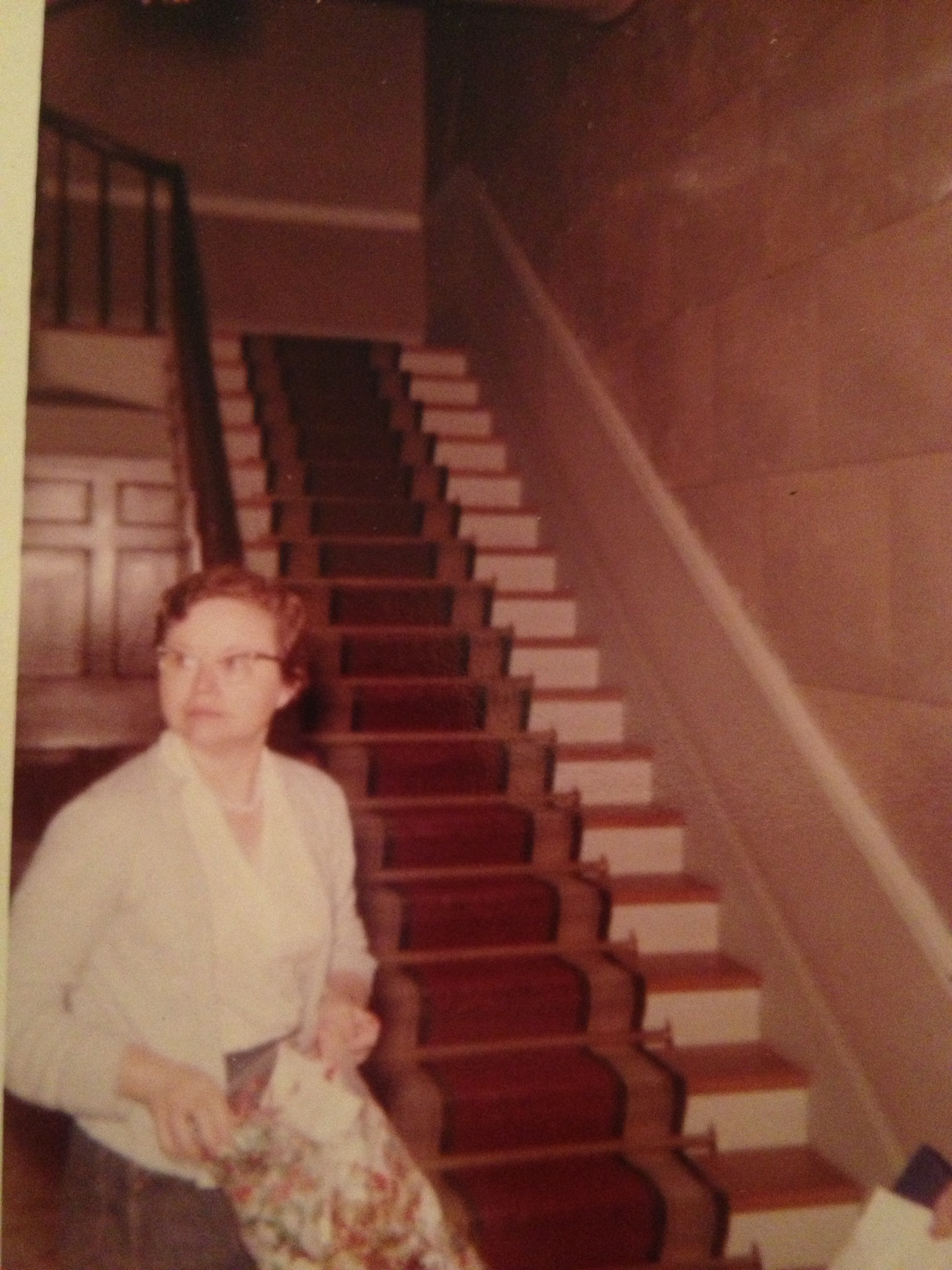
The beautiful runner we knew had once adorned the grand staircase (predating the one we pulled out early last summer).  Mary said her mother, Bootsie (seen here, and apologies if her name is misspelled!), took particular care to make sure the brass guards were polished regularly.

IMG_1404

Here is Bootsie next to the smokehouse; the ash house is the other brick structure over Bootsie’s shoulder.  We think the door to the ash house is what we were looking for when we dug through the pile of dirt behind the smoke house to salvage brick.

IMG_1406

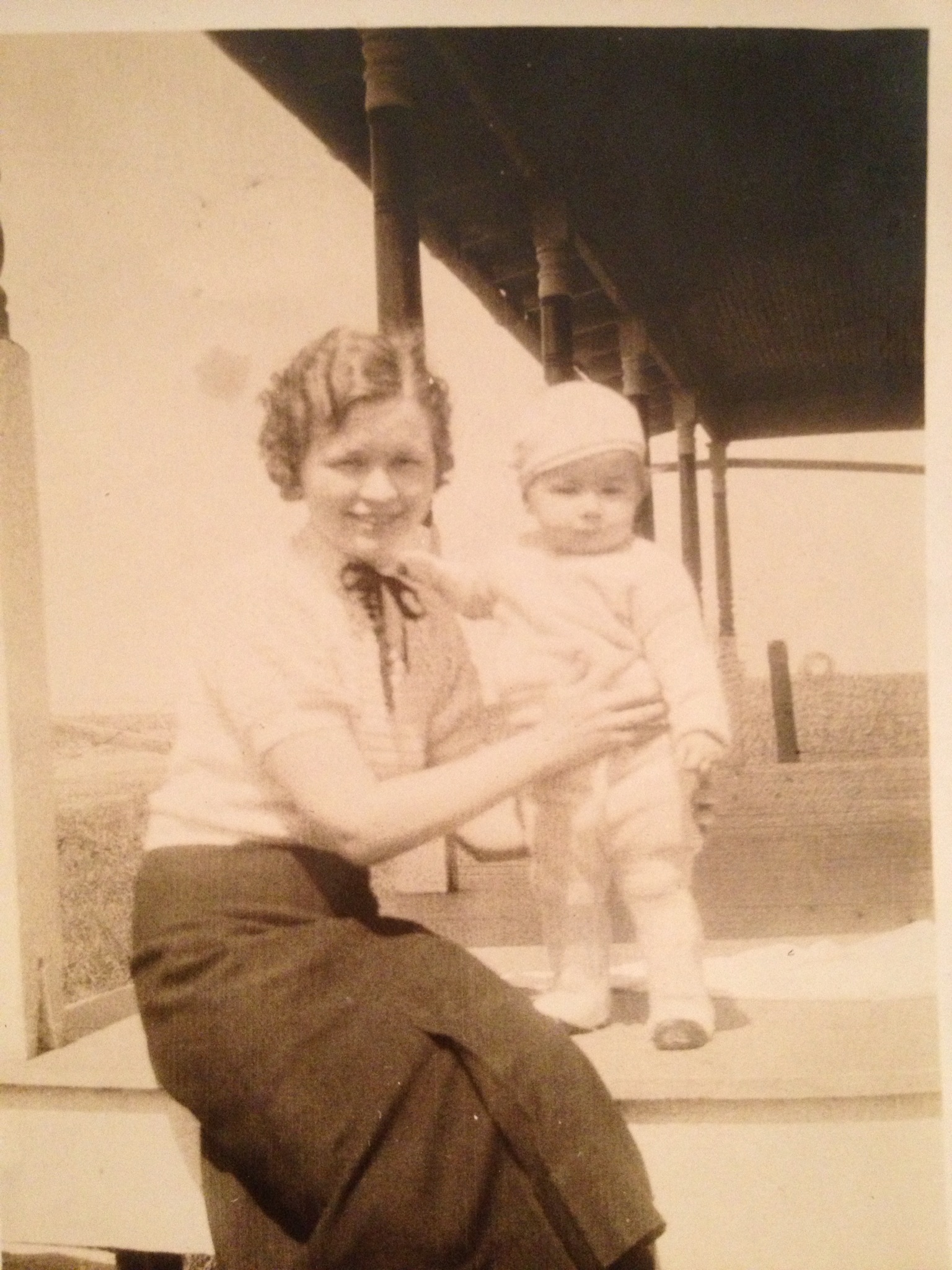
Here are Bootsie and Little Mary on the steps of the “little house,” or what we’ve nicknamed the slave quarters.

IMG_1408

Finally a few oldies-but-goodies:

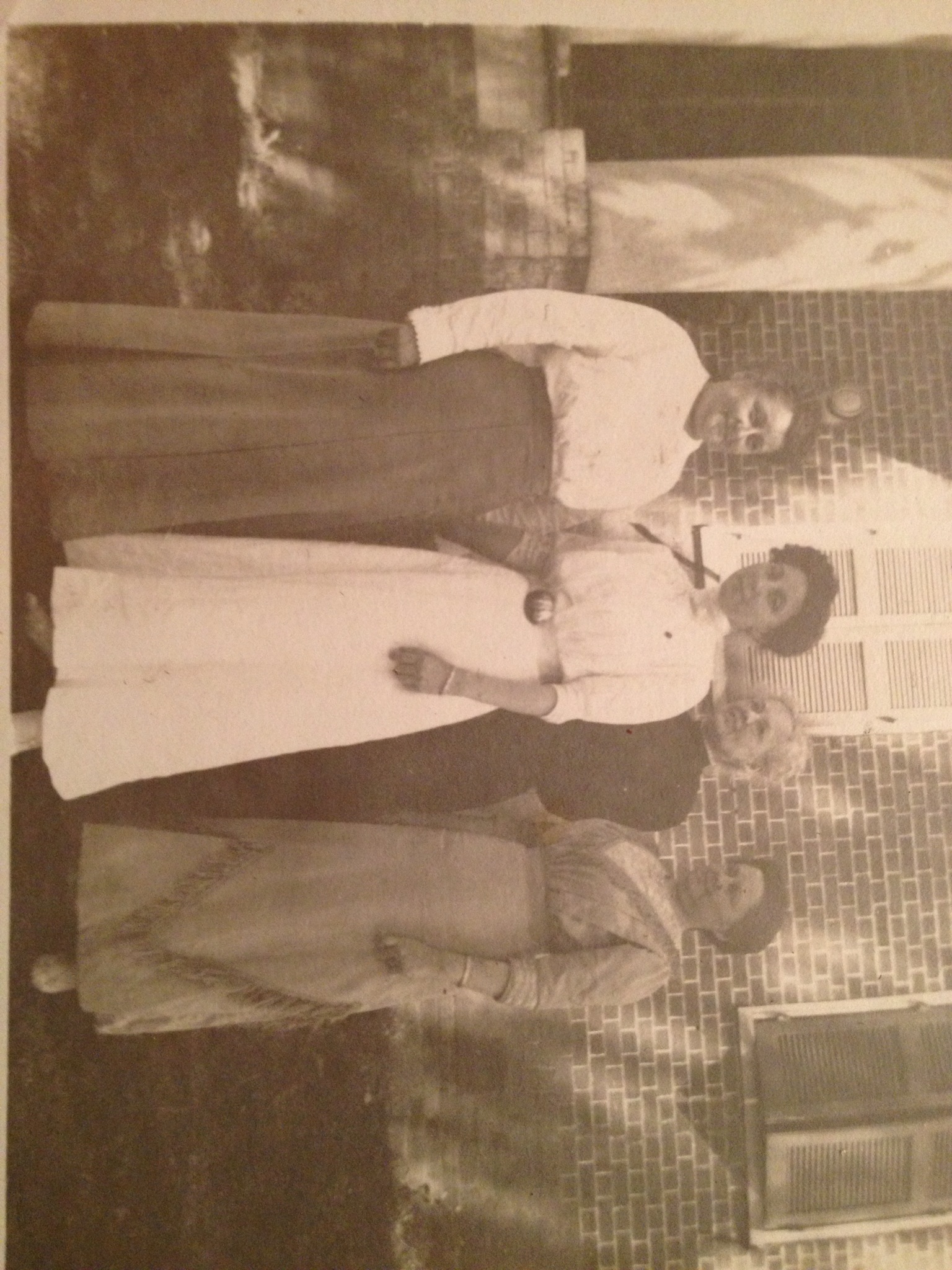
First, an image of the back entrance of Edge Hill in the Downton Abbey era.  Look at those amazing outfits!  This is now where we pull our cars up.

IMG_1407

This is a shot of one of Holmes’ pheasant hunts on the property.  Mary said he eventually stopped inviting his friends from D.C. to hunt at Edge Hill because they were careless about overhunting!

IMG_1410

We are looking forward to seeing Mary and her family again soon – hopefully, when the weather is warmer, they will be able to come for a visit to see the work-in-progress and give us the historic tour of Edge Hill.  We are so thrilled to share this experience with them and look forward to a long friendship!

What a Family Tree!

I’m sprinting down the final stretch towards my last exam, but in the meantime I’ve needed a few, ahem, study breaks…as they say, “if you want to know where your heart is, look to where your mind goes when it wanders.”

Chad & Rachel Day-After Sepia, Back of House

So, in my study breaks, I’ve done a little more research about “our” history.  Here is the Cliff’s Notes of where we left of last time:

Edge Hill: Native Americans –> Joist Hite –> Daniel Holman –> 92 Years of Holman Progeny –> James Madison Hite Beale

I wanted to dig a little deeper into J.M.H.B.’s past, and found some neat connections.  J.M.H.B.’s dad was Colonel Taverner Beale (owner of Mt. Airy, across the river), whose dad was Captain Taverner Beale, whose dad was Thomas Beale.

Turns out Colonial America was a small place.  Capt. Taverner (Grandpa) was married to a woman named Fanny Madison; her nephew was an overachiever: he drafted the Constitution AND became President AND has a university named after him 20 minutes from our hourse.  Geeze, way to make everyone else look bad (he also had a pretty cool house – Montpelier, not too far down the road).

madison

Soooo…that means, President Madison was Col. Taverner’s (dad, owner of Mt. Airy) first cousin, and thus President Madison was J.M.H.B.’s (our guy) first cousin once removed.  Any other genealogy nerds out there getting goosebumps?

Turns out good ol’ Fanny had longevity genes – she outlived her first husband, Capt. Grandpa Taverner, and remarried a man named Jacob Hite.  Jacob’s dad was Joist, the original land grantee, who sold the Edge Hill grant to Daniel Holman.

Okay – buckle your seat belts:

Joist –> son Jacob -m- Fanny Madison (President Madison’s aunt)

Joist –> son Isaac -m- Nelly Madison (President Madison’s sister)

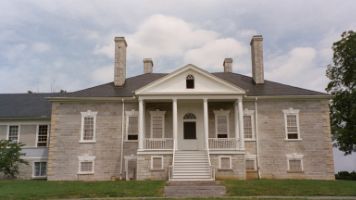
Woah.  Isaac and Nelly built Belle Grove Plantation outside of Winchester, Virginia, which can be seen from I-81; it is still one of best preserved pieces of architecture from early America.

BG vista

bg

Okay, here we go again:

Capt. Taverner -m- Fanny Madison (first marriage) –> Col. Taverner –> J.M.H.B.

Jacob Hite -m- Fanny Madison (second marriage)

Jacob already had a daughter when he married Fanny; her name was Elizabeth Hite.  And, keeping it in the family, guess who fell in love:  Fanny’s step-daughter Elizabeth, and her son from her first marriage, Col. Taverner!  So:

Capt. Taverner -m- Fanny Madison –> Col. Taverner -m- Step-Sister Elizabeth Hite –> J.M.H.B.

Thus, Joist Hite is J.M.H.B.’s maternal grandfather and the man who helped begin the settlement of Edge Hill, which would later become J.M.H.B.’s home place.

We also found another cool connection: Tim McGraw.

tim mcgraw

No, I promise this isn’t a typo!  In my expert research (read: Googling), I found a few links mentioning both Joist AND this country legend.  Bizarre.  It turns out that Tim was on the reality series Who Do You Think You Are?, which helps celebrities trace their family roots.  I suspect you can guess where Tim’s search took him…  You can see the episode on YouTube in parts:

Part 1, Part 2, and Part 3 (roughly 45 minutes and really easy watching).

There’s a lot of really neat information about Joist’s journey to America, his rise to fortune, and what the wilderness of young America was really like.  And, it turns our, Joist is an adaptation of the German name “Justus,” and would’ve been pronounced “Yoast.”  Go figure.  Also, a 16 year-old George Washington traveled throughout the Shenandoah Valley on a surveying trip and mentions the hospitality of the Hite Family – George Washington surveyed our land!!!  Another tie to great American history!

Yay genealogy!